
History
Knox City Football Club has its roots in the foundation of the Bayswater Soccer Club in 1951. The Temple Society, an independent Christian religious society was founded in Germany in 1861. Within a decade the Society were organising the migration of members to the Holy Land, then part of the Ottoman Empire. At the outbreak of the second world war, German Templers living in Palestine, by then a British mandate, were transported to Australia for internment for the duration of the war. At the end of the war, the Mandatory Government advised the Templers interned in Palestine thayt they would be required to leave the country and that the Templers abroad would not be allowed to return to Palestine.
In 1947 those Templers sent to Australia we released and almost all were permitted to remain in Australia. The majority settled in four areas – Bayswater/Boronia; Bentleigh/Moorabbin; Meadowbank, NSW; and Tanundra, SA. By 1951, the Bayswater/Boronia Templer Society formed a soccer club and commenced work on a building in Elizabeth Street Bayswater. Soccer was a community social activity, and the club was in no hurry to join an official competition. While early records indicate that some friendly mates were played in 1952, it was not until 19 July 1953 that the Elizabeth Street ground was officially opened and two gams between the Temple Society members from Bayswater/Boronia and Bentleigh/Moorabbin was played.
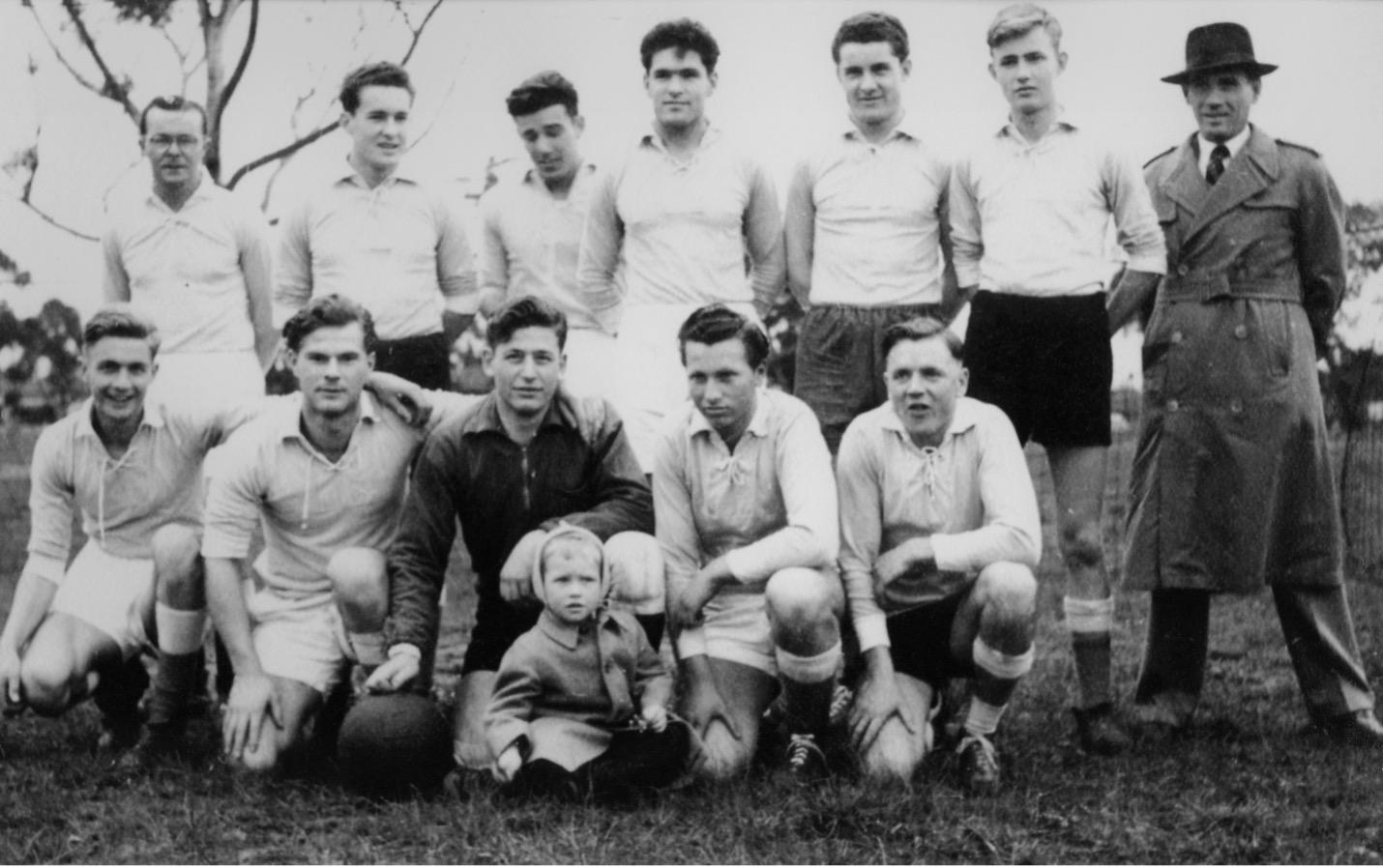
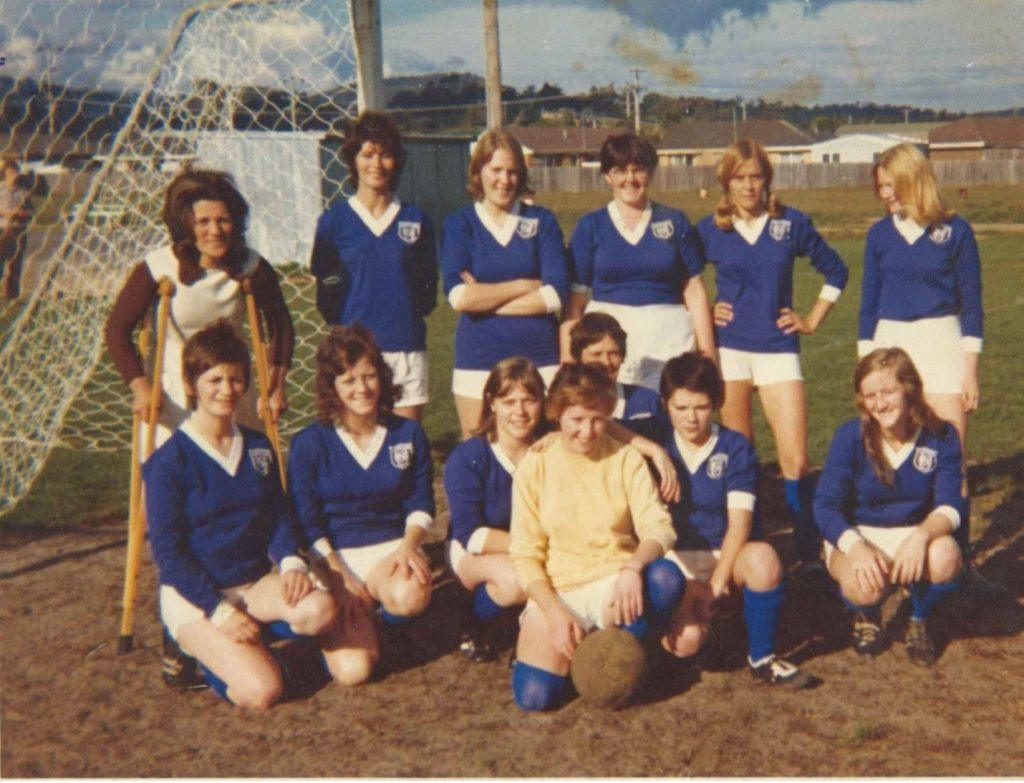

The first game against outside opposition was held against Box Hill on 19 September 1953. It was decided following the game with Box Hill that the club would enter a team in the Victorian Amateur Soccer Federation of Australia under the name Bayswater Soccer Club. The team was admitted to the 4th Division Reserves league on 3 April 1954 and played their first match against St.Kilda, losing 2-1. The first home match was against Nunawading the following week. Unfortunately, Nunawading failed to turn up for the game, which was rescheduled and played in June with Bayswater SC winning comfortably 12-0. The opposition in the first year was generally weak with Bayswater winning 13 of the 16 games, scoring 80 goals and conceding only 18. The team finished runners up in the league. During the period 1954 to 1961 the club played in the Victoria Amateur Soccer Federation of Australia competition. The leagues were reorganised on a regular basis and the club generally finished in a respectable mid table position.
From early days junior players were to be an integral part of the club. In April 1954, as seniors were beginning their first season of the league competition, the club called for junior players over the age of ten to attend the Elizabeth Street ground for soccer training under the guidance of Wilhelm Sawatzky and Bruno Venus. Over the years the number of junior players has risen and fallen but has never been greater than the current era.
As the club entered its second decade there was a debate about non-Temple Society members being involved in the running of the club. In 1961 then Club President Heinz Vollmer wrote “without the help of these outsiders, the club would certainly fold”. Through out the 1960s the club continued to grow and in 1962 accepted an offer from the Boronia Ladies Group to finance new blue and white shirts from Germany. The same year saw the installation of floodlights at the Elizabeth Street ground and by 1963 new dressing rooms were provided. As this decade drew to a close, the links with the Temple Society had weakened considerably. By 1968 the club had changed its name to Bayswater United Soccer Club to reflect the connection to the wider community.
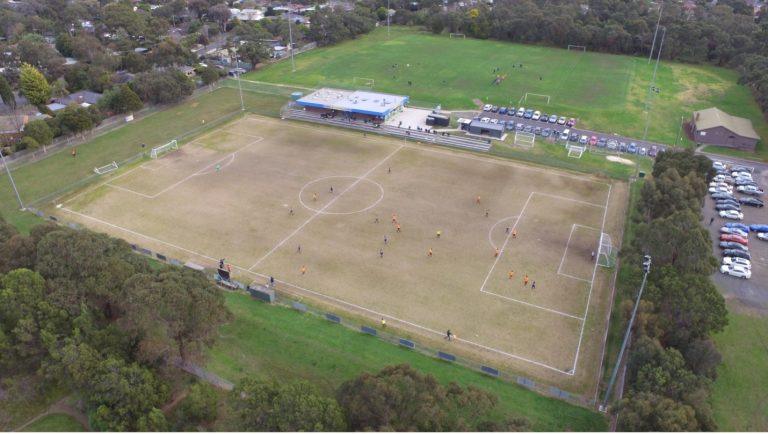
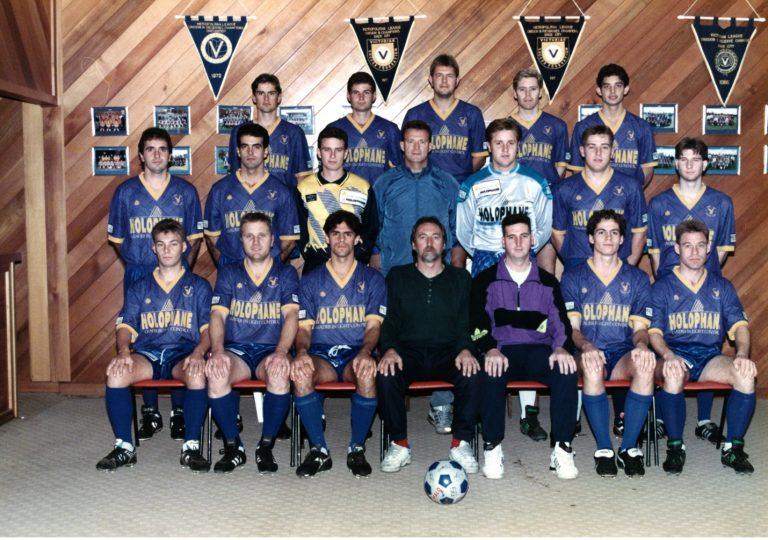
As the 1970s commenced, the club relocated from the Elizabeth Street ground to HV Jones Reserve in Ferntree Gully. This enabled the club to commence it steady climb up the Victorian Soccer Federations divisions. In 1972, Cor Teeuw coached the club to promotion when it finished runners up to Eltham in Metro League Division 2. By 1977 the club had again achieved promotion and was enjoying success. It changed its name from Bayswater Soccer Club to Knox City Football Club. Breaking from the traditional name was not an easy one for many members but those with foresight saw the importance of being named after the new and growing City of Knox. At the same time, Councillor Bruce Fasham was supportive of the world game and plans for a new soccer complex at Egan Lee Reserve began to take shape. The facility at Egan Lee was officially opened on 3 April 1979 by then Mayor Marie Wallace. To this day, the surface at Egan Lee remains one of the best thanks to the attention of the club volunteers and council employees.